
A Six-Part Series on Early Detection
PART 4
Cancer Costs More Than Money
Valerie S | 8/26/26 | 5 min.
The Hidden Price of a Cancer Diagnosis
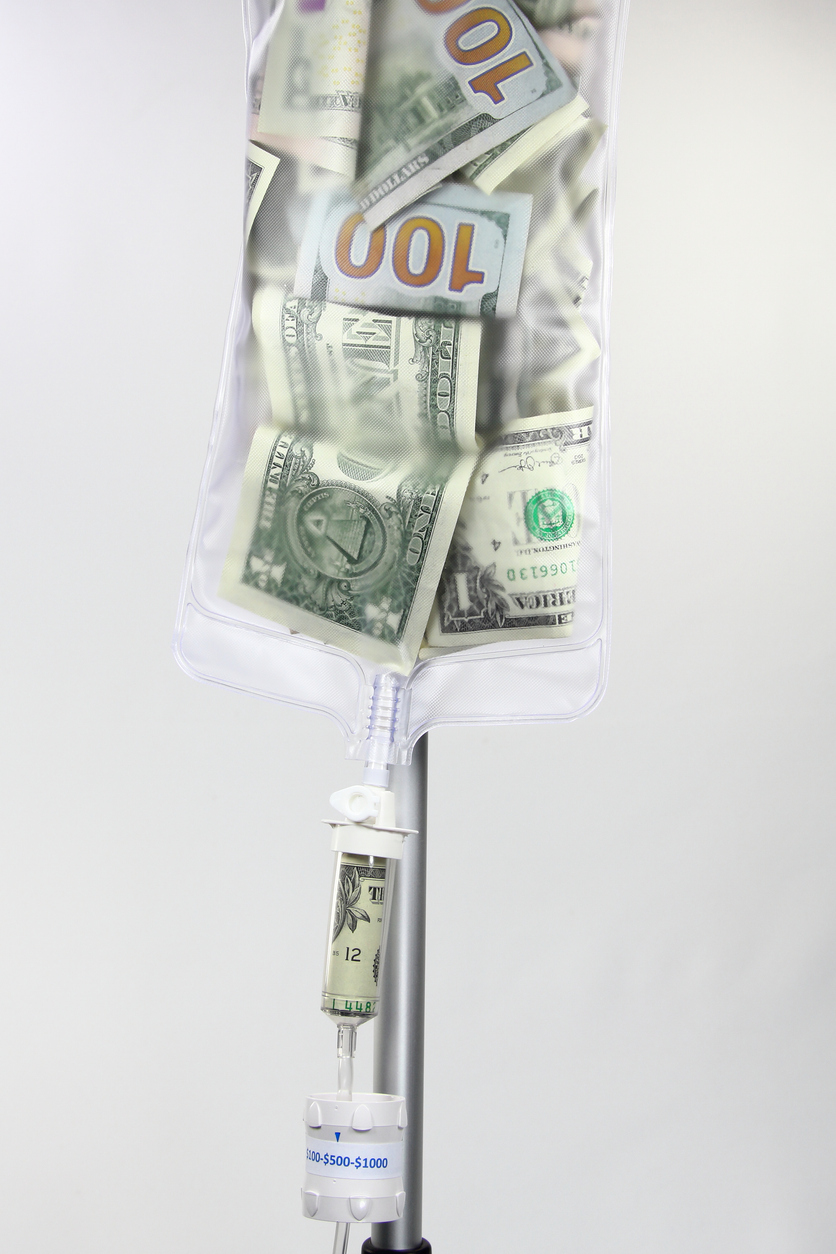
Cancer is expensive.
There are doctor bills.
Hospital bills.
Prescription costs.
Deductibles.
Copays.
Scans.
Surgeries.
Treatments.
But those numbers tell only part of the story.
Because the price of cancer isn't printed on one hospital bill.
Cancer costs time.
It costs energy.
It can cost income.
It can change careers, relationships, family routines and plans for the future.
Some of the biggest costs of cancer don't come with a receipt at all.
Cancer Can Become a Full-Time Job
Think about everything that can follow a cancer diagnosis.
Doctor appointments.
Bloodwork.
CT scans.
PET scans.
MRIs.
Surgery.
Chemotherapy.
Radiation.
Follow-up appointments.
More scans.
More bloodwork.
More waiting.
Every one of those appointments takes time.
Time driving there.
Time sitting in the waiting room.
Time receiving treatment.
Time recovering afterward.
And while all of that is happening, regular life is still waiting.
There are jobs.
Children.
Parents.
Mortgages.
Grocery shopping.
Dogs that need to be walked.
Dinner that somehow needs to get made.
Cancer doesn't politely wait until life is convenient.
There's Actually a Name for the Financial Burden
Researchers call it:
Financial toxicity.
The National Cancer Institute uses the term to describe the financial problems and distress that can result from the cost of cancer care.
And financial toxicity isn't limited to people without insurance.
Even insured patients may face deductibles, copays, coinsurance, prescription costs and expenses that aren't covered at all.
Then there are the costs that aren't technically medical.
Transportation.
Parking.
Hotels when treatment is far from home.
Childcare.
Meals.
And perhaps the biggest one:
Lost income.
If you can't work because you're receiving treatment or recovering from surgery, the bills don't stop arriving just because your paycheck does.

Cancer by the Numbers
Research cited by the National Cancer Institute helps illustrate just how significant the financial impact can be.
- About half of people diagnosed with cancer experience some form of financial hardship.
- Working people receiving cancer treatment have been found to miss significantly more work than people who aren't receiving cancer treatment.
- Studies have found that some patients don't return to work following a cancer diagnosis.
- Caregivers frequently change their own work schedules—or reduce their hours—to care for someone undergoing treatment.
And those statistics still don't capture everything.
How do you put a price on a spouse using vacation days to drive someone to chemotherapy?
Or a daughter reducing her work hours to care for her mother?
Or a family postponing retirement because savings were used for medical expenses?
You can't.
Caregivers Pay a Price, Too
Cancer rarely affects just one person financially.
Spouses become caregivers.
Adult children rearrange their schedules.
Friends provide transportation.
Someone misses work.
Someone makes dinner.
Someone watches the children.
Someone sits in the waiting room.
Research from the National Cancer Institute shows that caregivers can experience lost work time, financial hardship, emotional strain and reduced quality of life while caring for someone with cancer.
Their name may not appear on the medical bill.
But they're paying a price too.

Then There Are the Things Money Can't Buy Back
This may be the biggest cost of all.
Time.
The family vacation that gets canceled.
The anniversary spent recovering from surgery.
The soccer game missed because treatment ran late.
The months when someone simply doesn't have the energy to do the things they normally love.
And then there's the time cancer occupies in your mind.
Waiting for results.
Wondering whether treatment is working.
Thinking about the next scan.
Trying not to think about the next scan.
Cancer can take ordinary life and temporarily replace it with something that revolves around appointments, treatments and test results.
Ask someone who has been through cancer what they missed most and the answer may surprise you.
It might not be a vacation.
It might simply be...
A normal Tuesday.
Earlier May Mean More Than Living Longer
When we talk about early detection, survival understandably gets most of the attention.
But there is another reason finding cancer early matters.
For some cancers, earlier detection can mean less extensive treatment.
And less extensive treatment may mean fewer appointments, shorter recovery, less time away from work and less disruption to family life.
That isn't guaranteed.
Every cancer and every patient is different.
But it's another reason stage at diagnosis can matter enormously.
Early detection isn't only about adding years to life.
Sometimes it's also about protecting more of the life you're already living.
This Isn't About Blame
It's important to say this again.
A later-stage cancer diagnosis does not mean someone failed to take care of themselves.
Some cancers grow quickly.
Some don't cause symptoms until they've advanced.
Some don't have established screening tests.
And sometimes people do everything physicians recommend and cancer still develops.
There is no shame in a cancer diagnosis.
There is no blame.
There is simply an opportunity to use the tools available to us—and to make informed decisions about our health whenever we can.
Why Early Detection Matters
At Virtual Imaging, we believe the best time to find cancer is before it causes symptoms.
Many cancers develop quietly without causing pain or obvious warning signs. During that time, finding certain cancers earlier may provide more treatment options and improve outcomes.
While no screening test can detect every cancer—or guarantee a specific outcome—appropriate screening and early detection remain powerful tools in modern medicine.
That's why we're passionate about helping people take a proactive approach to their health.
Because when it comes to cancer...
Earlier is almost always better.
Take the First Step
You can't control your genetics.
You can't stop yourself from getting older.
You can't eliminate every environmental risk.
But you can choose to be proactive.
Advanced imaging isn't about expecting bad news.
It's about replacing uncertainty with information.
Sometimes that information provides tremendous peace of mind.
Sometimes it identifies a problem that needs further evaluation.
Either outcome gives you and your healthcare provider information you didn't have before.
At Virtual Imaging, our mission is simple:
To help people take a proactive approach to their health through advanced imaging and informed decisions.
Because Time Matters
Cancer is one of the diseases where time can make an enormous difference.
We can't prevent every cancer.
We can't predict who will develop it.
But in many cases, finding cancer earlier can improve the options available for treating it.
That's why Virtual Imaging exists.
Because when it comes to cancer...
Earlier is almost always bette