
Cancer S#cks.
Now a Six Part Series on Early Detection
PART 3 - Nobody Wants the Treatment
Valerie S. • 6 min • 8/19/26
The Physical and Emotional Reality of Treating Cancer
Most conversations about cancer eventually come down to one question:
Will I survive?
It's the question that matters most.
But there's another part of cancer we don't talk about nearly enough.
What does it take to get from diagnosis to the other side?
Because cancer treatment doesn't just happen to a tumor.
It happens to a person.
Treatment Can Become a Way of Life
A cancer diagnosis can suddenly introduce an entirely new vocabulary into your life.
Oncologist.
Biopsy.
Chemotherapy.
Radiation.
Immunotherapy.
Infusion.
PET scan.
Treatment cycle.
Words you may have barely thought about before can suddenly become part of everyday conversation.
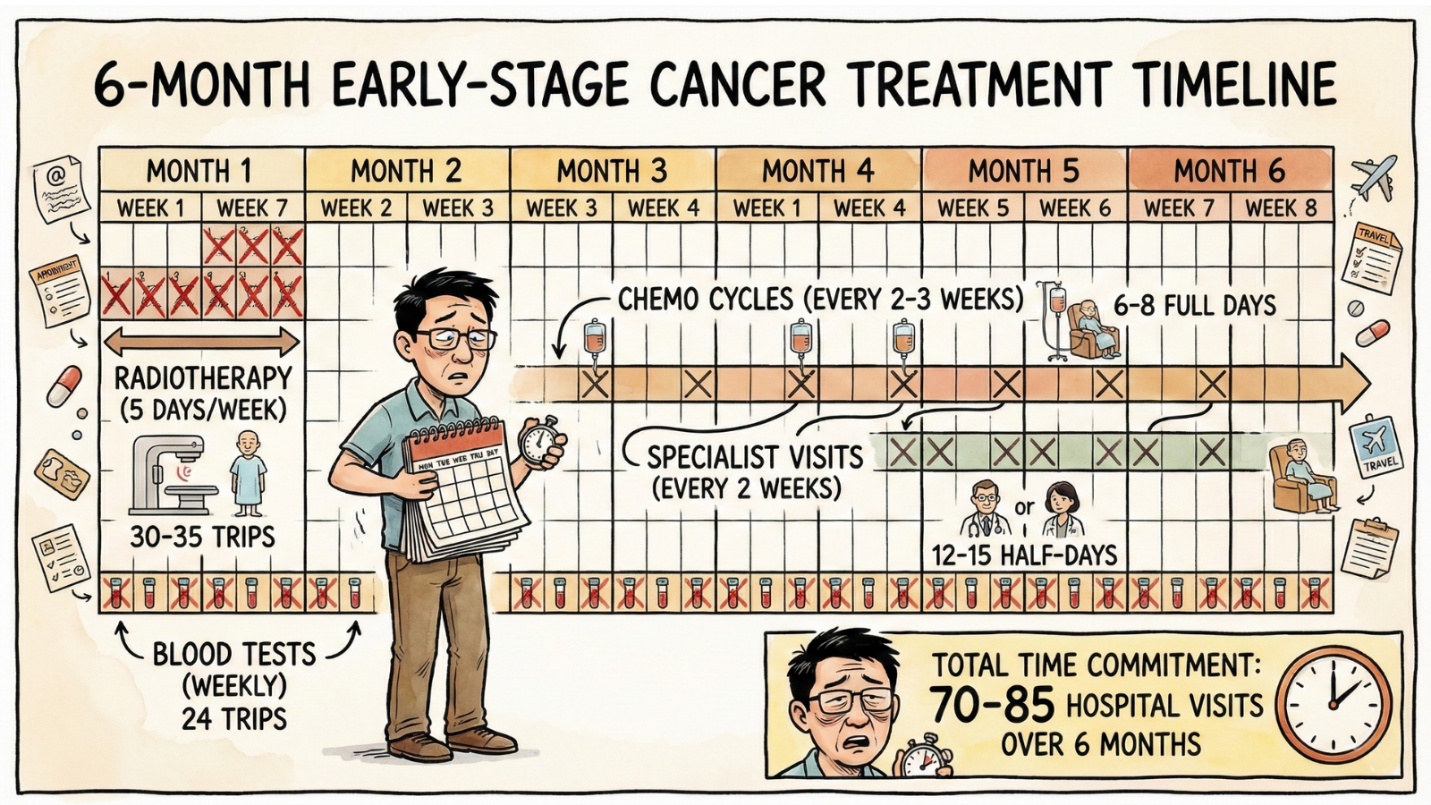
And then there's the calendar.
Bloodwork.
Scans.
Doctor appointments.
Treatments.
More bloodwork.
More scans.
Follow-up appointments.
Some cancer treatments last weeks. Others continue for months or even years.
Meanwhile, regular life doesn't simply stop.
Treating Cancer Can Be Hard on the Body
Cancer treatment has made extraordinary advances.
But treating cancer can still take a tremendous physical toll.
Depending on the type of cancer and treatment, patients may experience fatigue, nausea, pain, appetite changes, hair loss, sleep problems, changes in memory or concentration, and many other side effects.
Surgery may require weeks or months of recovery.
Radiation may mean repeated trips to a treatment center over several weeks.
Chemotherapy may involve cycles of treatment followed by recovery—and then another cycle.
Newer treatments such as targeted therapy and immunotherapy have transformed care for many cancers, but they can have side effects of their own.
Every cancer is different.
Every patient is different.
Every treatment experience is different.
But very few people would volunteer for any of it.
Then There's the Emotional Part
Cancer doesn't stay neatly inside the body.
It follows people home.
There's waiting for the biopsy results.
Waiting to learn the stage.
Waiting to find out whether treatment is working.
Waiting for the next scan.
And then waiting for those results.
Anyone who has experienced cancer—or loved someone who has—probably understands the particular anxiety surrounding a follow-up scan.
There's even a word commonly used for it:
Scanxiety.
That fear can continue long after treatment ends.
Cancer can change the way people think about their bodies, their future and even something as simple as making plans six months from now.
Cancer Happens to Families, Too
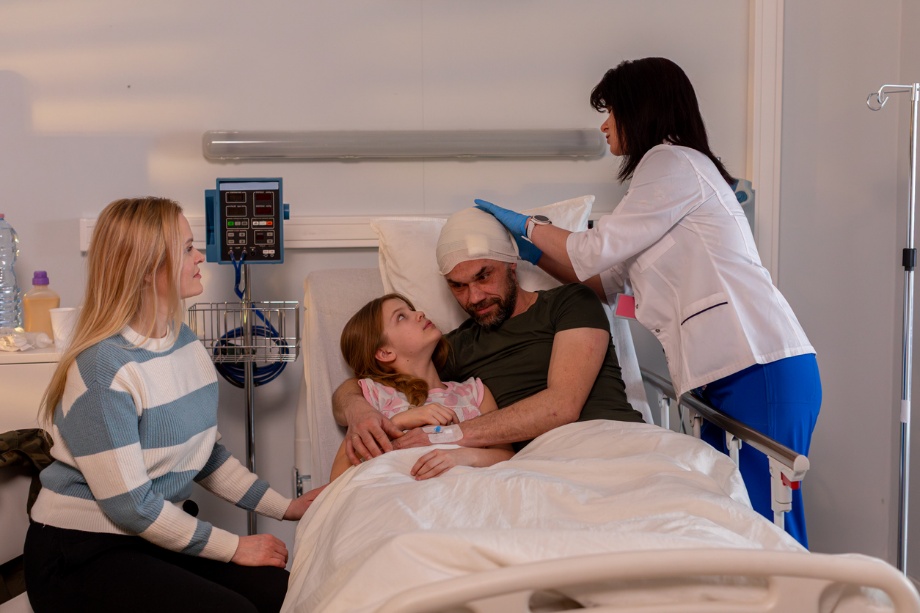
A cancer diagnosis may belong to one person.
The experience rarely does.
Spouses become caregivers.
Parents worry about their children.
Children worry about their parents.
Friends sit in waiting rooms.
Someone drives to chemotherapy.
Someone takes notes while the doctor talks because the patient is too overwhelmed to remember everything.
Someone tries to be strong.
And someone lies awake at 2 a.m. wondering what's going to happen.
Cancer has a way of entering the lives of everyone who loves the person fighting it.
Earlier Can Mean a Different Journey
This is where early detection becomes so important.
Finding cancer early doesn't guarantee easy treatment.
It doesn't guarantee a particular outcome.
And having cancer diagnosed at a later stage does not mean someone did something wrong.
Some cancers grow quickly.
Some don't cause symptoms.
Some don't have established screening tests.
Sometimes people do everything their physicians recommend and cancer still develops.
There is no blame here.
There is only an opportunity to use the tools we have when they're appropriate.
For many cancers, finding the disease while it is still small and localized can give physicians more treatment options.
Sometimes that may mean a smaller operation.
Sometimes it may mean less extensive treatment.
And sometimes it can mean treating cancer in one location instead of treating disease that has spread elsewhere in the body.
That's why finding cancer early isn't only about survival statistics.
It's about preserving as much of a person's life as possible while treating it.
Why Early Detection Matters
At Virtual Imaging, we believe the best time to find cancer is before it causes symptoms.
Many cancers develop quietly without causing pain or obvious warning signs. During that time, finding certain cancers earlier may provide more treatment options and improve outcomes.
While no screening test can detect every cancer—or guarantee a specific outcome—appropriate screening and early detection remain powerful tools in modern medicine.
That's why we're passionate about helping people take a proactive approach to their health.
Because when it comes to cancer...
Earlier is almost always better.

Take the First Step
You can't control your genetics.
You can't stop yourself from getting older.
You can't eliminate every environmental risk.
But you can choose to be proactive.
Advanced imaging isn't about expecting bad news.
It's about replacing uncertainty with information.
Sometimes that information provides tremendous peace of mind.
Sometimes it identifies a problem that needs further evaluation.
Either outcome gives you and your healthcare provider information you didn't have before.
At Virtual Imaging, our mission is simple:
To help people take a proactive approach to their health through advanced imaging and informed decisions.
Because Time Matters
Cancer is one of the diseases where time can make an enormous difference.
We can't prevent every cancer.
We can't predict who will develop it.
But in many cases, finding cancer earlier can improve the options available for treating it.
That's why Virtual Imaging exists.
Because when it comes to cancer...
Earlier is almost always better.