
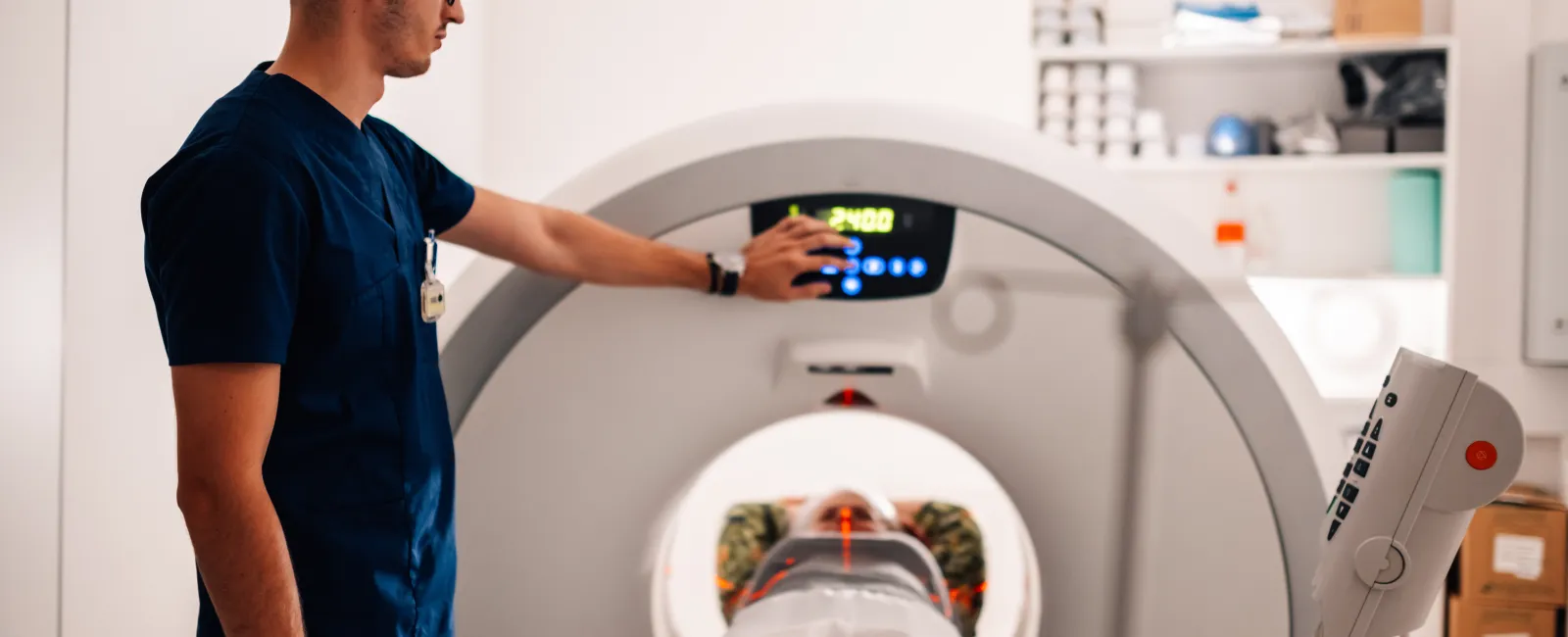
Cancer Has a Nasty Way of Coming Back
Why Survivorship Doesn't Mean We Stop Paying Attention
Years ago, a doctor said something that stuck with me:
"Cancer has a nasty way of coming back."
It's not exactly the kind of sentence you forget.
But is it true?
Unfortunately, sometimes it is.
Cancer can return months—or even years—after treatment has successfully removed or destroyed every cancer cell doctors could detect.
Doctors call this cancer recurrence.
But there's something very important to understand:
Not every cancer comes back.
Many people are successfully treated for cancer and never experience it again.
For others, however, the end of treatment isn't quite the end of the story.
That's why cancer survivorship includes something extremely important:
Staying vigilant.
How Can Cancer Come Back If It Was Gone?
This is one of the most frustrating things about cancer.
Treatment may remove or destroy all the cancer doctors can find.
Scans may be clear.
Tests may show no evidence of disease.
And yet, in some cases, a tiny number of cancer cells may survive treatment.
According to the National Cancer Institute, those cells can be so small that they cannot be detected by follow-up testing. Over time, they may begin growing again.
That doesn't necessarily mean the original treatment failed.
And it certainly doesn't mean the patient did anything wrong.
It means cancer can be incredibly difficult to eliminate completely.
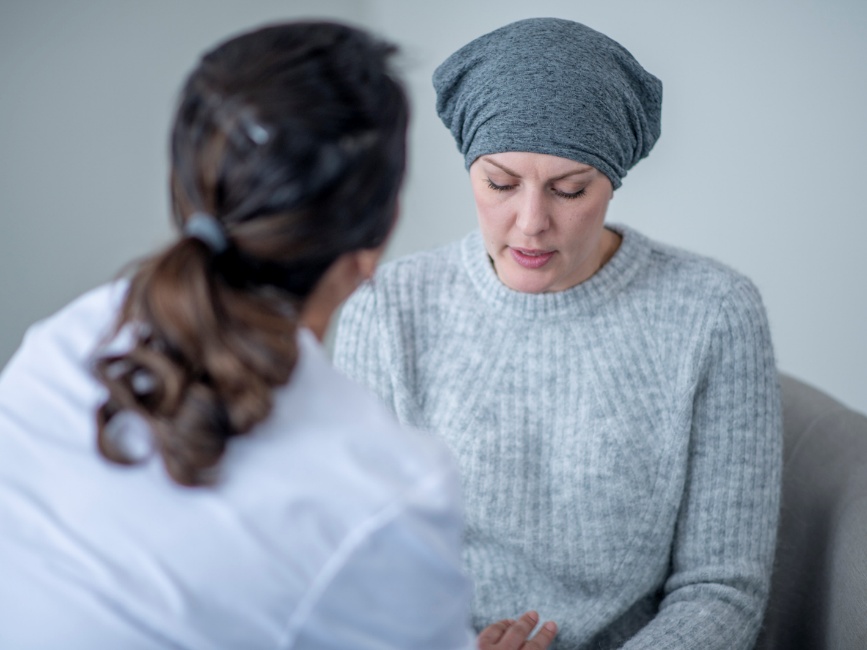
Cancer Can Come Back in Different Ways
Recurrence doesn't always mean cancer returns exactly where it started.
Doctors generally describe three types:
Local recurrence means the cancer returns in or near the original location.
Regional recurrence means it appears in nearby lymph nodes or tissues.
Distant recurrence means cancer is found in another part of the body.
Here's something many people don't realize.
If colon cancer later appears in the liver, for example, it isn't necessarily liver cancer.
It may still be colon cancer—colon cancer cells that have spread to the liver.
That distinction matters because physicians treat the cancer based on where it originated and its particular biology.
So What Are the Odds of Cancer Coming Back?
This is where things get complicated.
There isn't one recurrence statistic for "cancer."
Recurrence risk varies considerably depending on:
- The type of cancer
- The stage when it was originally diagnosed
- The characteristics of the tumor
- The treatment received
- How the cancer responded to treatment
- Other individual factors
Some early-stage cancers have a relatively low risk of recurrence.
Other cancers have a much greater tendency to return.
And even two people with what appears to be the same cancer may have different risks.
That's why a population statistic can never tell an individual patient exactly what will happen.
Cancer is personal. Recurrence risk is too.
Cancer by the Numbers
Recurrence statistics are surprisingly difficult to summarize.
Unlike new cancer diagnoses, cancer recurrences have not historically been routinely reported to cancer registries. That means researchers don't have one comprehensive national database telling us how often every type of cancer returns.
What we do know is:
- Recurrence rates vary significantly by cancer type and stage.
- Tumor characteristics and the treatment received can affect the likelihood of recurrence.
- Many cancers found at an early stage have a lower chance of recurrence.
- Some cancers can recur many years after the original treatment.
- As of January 2025, approximately 18.6 million Americans—about 1 in 18 people—were living with a history of cancer.
That last number is worth celebrating.
There are millions of cancer survivors living their lives, raising families, working, traveling, celebrating birthdays and enjoying those wonderful ordinary Tuesdays we talked about earlier in this series.

The Fear Doesn't Always End When Treatment Does
There's another side of recurrence that doesn't show up in statistics.
Fear.
Treatment ends.
Hair grows back.
Appointments become less frequent.
Life begins returning to normal.
Then it's time for another scan.
And suddenly, all those old emotions can come rushing back.
Cancer survivors sometimes call it scanxiety—the fear and anxiety surrounding follow-up imaging and test results.
The National Cancer Institute says fear of recurrence is normal among cancer survivors and often decreases over time.
But certain events can bring it back.
A follow-up appointment.
An unfamiliar ache.
A screening.
The anniversary of the original diagnosis.
Someone else being diagnosed with cancer.
That's why survivorship isn't simply about watching someone's physical health.
It's about caring for the whole person.
Follow-Up Care Matters
Once cancer treatment ends, the National Cancer Institute recommends ongoing follow-up care.
That may include regular medical examinations, bloodwork, imaging or other testing depending on the type of cancer, treatment received and individual circumstances.
The schedule isn't the same for everyone.
And it shouldn't be.
Cancer survivors should work with their oncology and healthcare teams to develop a follow-up plan specifically designed for them.
The goal isn't to spend the rest of your life expecting cancer to return.
Quite the opposite.
It's to live your life while continuing to pay attention to your health.
There's a Difference Between Fear and Vigilance
This distinction matters.
Fear says:
"Something terrible is probably happening."
Vigilance says:
"I'm going to stay informed and follow the plan my healthcare team recommends."
Those are very different ways to live.
Preventive healthcare shouldn't be about constantly searching for something to be afraid of.
It should be about having information.
Knowing your risk factors.
Following recommended screenings.
Keeping your follow-up appointments.
And speaking with your physician when something changes.
Knowledge should empower us—not frighten us.
And That Brings Us Back to Where We Started
In Part 1 of this series, we said something very simple:
Every cancer was Stage I once.
Over six articles, we've talked about how cancer grows.
How common it is.
What treatment can demand from the body.
What cancer can cost a person and a family.
How dramatically treatment has improved.
And now, why vigilance can remain important even after cancer treatment ends.
Different subjects.
But they all lead us back to the same idea.
Time matters.
Finding certain cancers earlier can mean more treatment options.
Following recommended surveillance after cancer can help physicians watch for recurrence or other health concerns.
And taking a proactive approach to health gives us something incredibly valuable:
Information.
Why Early Detection Matters
At Virtual Imaging, we believe the best time to find cancer is before it causes symptoms.
Many cancers develop quietly without causing pain or obvious warning signs. During that time, finding certain cancers earlier may provide more treatment options and improve outcomes.
While no screening test can detect every cancer—or guarantee a specific outcome—appropriate screening and early detection remain powerful tools in modern medicine.
That's why we're passionate about helping people take a proactive approach to their health.
Because when it comes to cancer...
Earlier is almost always better.
Take the First Step
You can't control your genetics.
You can't stop yourself from getting older.
You can't eliminate every environmental risk.
And if you've already had cancer, you can't change what happened yesterday.
But you can make informed decisions about tomorrow.
Advanced imaging isn't about expecting bad news.
It's about replacing uncertainty with information.
Sometimes that information provides tremendous peace of mind.
Sometimes it identifies something that needs further evaluation.
And for cancer survivors, appropriate follow-up imaging may be one part of a larger surveillance plan developed with their healthcare team.
At Virtual Imaging, our mission is simple:
To help people take a proactive approach to their health through advanced imaging and informed decisions.
Because Time Matters
Cancer is one of the diseases where time can make an enormous difference.
We can't prevent every cancer.
We can't predict who will develop it.
And we can't guarantee that a cancer successfully treated today will never return.
But we can pay attention.
We can follow appropriate screening recommendations.
We can stay engaged with our healthcare providers.
And whenever possible, we can give ourselves the advantage of finding disease earlier.
That's why Virtual Imaging exists.
Because when it comes to cancer...
Earlier is almost always better.
One Last Thought
Cancer s#cks.
There's really no nicer way to say it.
It has changed families.
Taken people we love.
Interrupted plans.
Created fear.
And demanded extraordinary strength from millions of people who never asked to become "fighters" in the first place.
But this series was never intended to make anyone afraid.
And it was certainly never intended to make anyone feel guilty about what they did—or didn't—do in the past.
There is no shame. There is no blame.
There is simply what we know today.
Medicine is getting better.
Cancer treatment is getting smarter.
More people are surviving cancer.
And we have increasingly powerful tools to help physicians identify disease and monitor health.
We can't control everything that happens inside our bodies.
But we can choose to be informed.
We can choose to be proactive.
And we can take the first step.
Because earlier is almost always better.
Sources
National Cancer Institute — Recurrent Cancer: When Cancer Comes Back
Information about why cancer can recur and the differences between local, regional and distant recurrence.
National Cancer Institute — Follow-Up Medical Care
Guidance on post-treatment follow-up, survivorship care and individualized monitoring after cancer treatment.
National Cancer Institute — Understanding Cancer Prognosis
Information about remission, recurrence, prognosis and why cancer may sometimes return years after treatment.
American Cancer Society — Cancer Recurrence Rates
Information about recurrence risk, limitations in national recurrence statistics and factors associated with cancer recurrence.
American Cancer Society — Cancer Treatment & Survivorship Statistics 2025
Current estimates of the number of people living in the United States with a history of cancer.
Statistics and medical information are provided for educational purposes. Cancer recurrence risk, follow-up care and appropriate screening vary by individual. Cancer survivors should follow the surveillance plan recommended by their oncology and healthcare teams.