

The Monster Under Your Bed... Could Be in Your Arteries
Valerie S. 3 Minute Read 7/8/26
Despite remarkable advances in modern medicine, cardiovascular disease remains the leading cause of death worldwide.
Every year, it claims approximately 20.5 million lives—nearly one out of every three deaths on Earth. More than 85% of those deaths are caused by heart attacks and strokes, most of which are linked to atherosclerosis—the gradual buildup of plaque that narrows or blocks the arteries.
Cardiovascular disease kills nearly twice as many people as all forms of cancer combined, and more people than homicide, war, traffic accidents, diabetes, drug overdoses, and suicide combined.
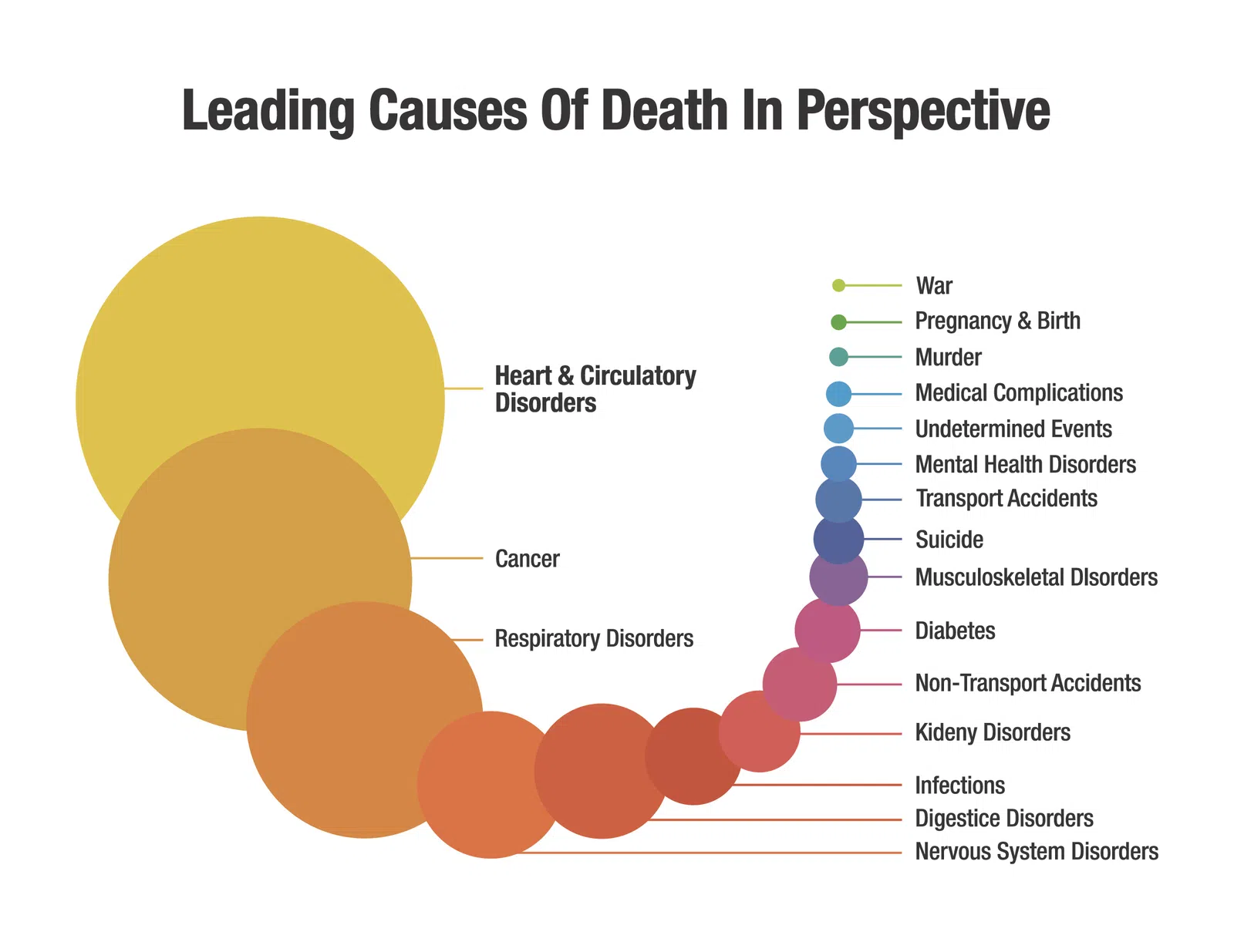
The death toll is so staggering that every two seconds, someone, somewhere in the world dies from cardiovascular disease.
And the frightening part? Blocked arteries are often a silent killer, developing quietly over many years before symptoms ever appear. Most people never imagine it will happen to them—until it does.
If you are lucky, you survive - but at what cost?
Isn't this the time you're supposed to enjoy what you've spent your entire life building?

But CONSIDER THIS - According to CBS News, citing the National Business Group on Health, the total lifetime economic cost of a less severe heart attack—including medical expenses and lost productivity—has been estimated at approximately $760,000.
A coronary bypass surgery can cost well over $200,000 in the United States before insurance adjustments.
The direct medical costs may include emergency transportation, hospitalization, imaging, procedures, medications, rehabilitation, and ongoing follow-up care. The broader estimate also includes lost productivity and other long-term economic impacts.
That's why after 15 over years Virtual Imaging is so passionate about this cause. We have heard thousands of people like you say we helped them pay less - or even NONE - of that cost.
Catch the problem before it's a problem. Shine the light on the monster before it sneaks up on you! Call Virtual Imaging TODAY 770-730-0119
Sources: World Health Organinzation, American Heart Association