

Why Good Numbers Are Great News—But They Aren't the Whole Picture
There's something wonderfully reassuring about hearing your doctor say:
"Your bloodwork looks great."
Your cholesterol is good.
Blood sugar is normal.
Kidney function looks fine.
Liver enzymes are where they should be.
Everything is comfortably inside those little "normal" ranges on your lab report.
Excellent.
So you're healthy...right?
Hopefully.
But there's something important to understand about bloodwork:
Blood tests measure what's happening in your blood.
They don't actually let us see what's happening inside your body.
And sometimes, those are two very different kinds of information.
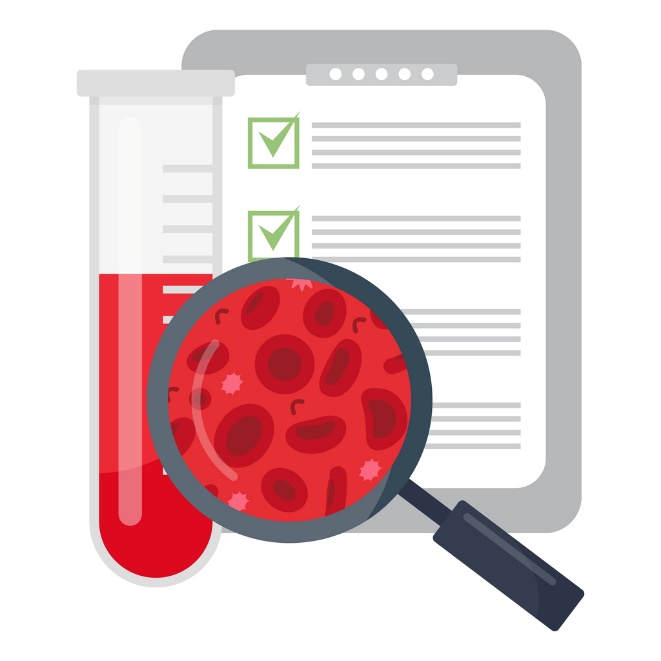
First, Let's Give Bloodwork the Credit It Deserves
Routine bloodwork is an incredibly valuable part of preventive healthcare.
Depending on the tests ordered, it can give your healthcare provider information about things like:
- Cholesterol and triglycerides
- Blood sugar
- Kidney function
- Liver function
- Anemia and other blood-cell abnormalities
- Electrolytes
- Inflammation
- Thyroid function
Those numbers can identify problems, help physicians assess risk, monitor medical conditions and guide treatment.
We aren't suggesting for one second that bloodwork isn't important.
It is.
But it has limitations.
Normal Doesn't Mean "Nothing Could Possibly Be Wrong"
This is where things get interesting.
The National Cancer Institute points out that for many laboratory tests, it's possible to have results within the normal range even when disease is present. The opposite can also happen: a perfectly healthy person can occasionally have a laboratory result outside the normal range.
That's because bloodwork is one source of information.
Not the entire picture.
Your doctor interprets those results alongside your medical history, family history, physical examination, symptoms, risk factors and—when appropriate—other testing.
Sometimes that includes imaging.
Numbers Tell Us One Thing. Pictures Tell Us Another.
Think about your car for a moment.
Your dashboard can tell you your oil pressure.
Engine temperature.
Fuel level.
Battery status.
That's useful information.
But if your mechanic wants to know whether there's a crack in something...
Eventually, somebody may need to look.
Your body isn't a car, of course.
But the distinction is useful.
Bloodwork gives physicians measurements.
Imaging gives physicians pictures.
Neither replaces the other.
They answer different questions.
Your Heart Is a Great Example
Let's say your cholesterol looks pretty good.
That's good news.
But cholesterol numbers don't actually show whether calcified plaque has accumulated inside your coronary arteries.
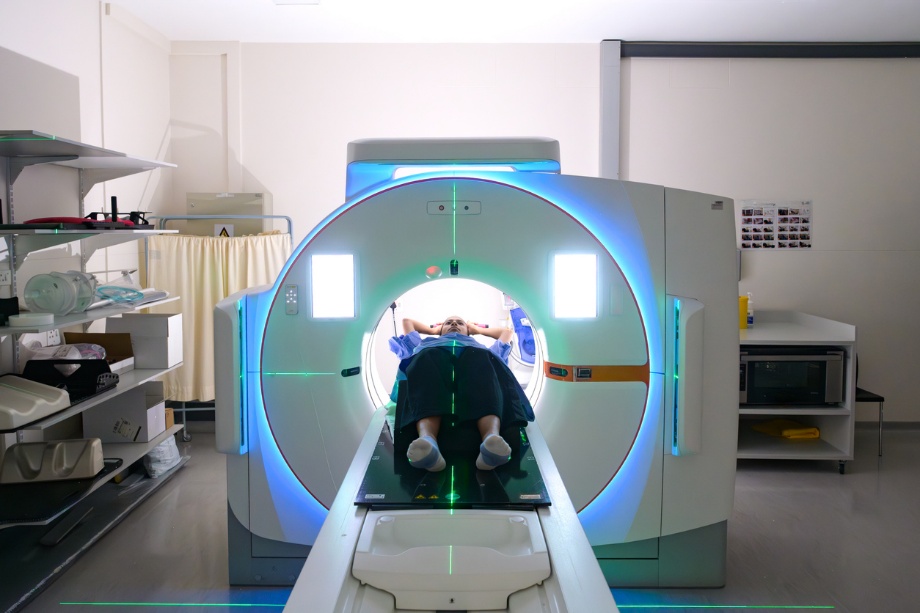
A coronary artery calcium—or CAC—scan can.
A CAC scan uses CT imaging to identify and measure calcium deposits in the coronary arteries. The American Heart Association says the information can help healthcare teams better understand cardiovascular risk and, in appropriate patients, help guide preventive treatment decisions.
So imagine two people with similar cholesterol results.
Similar blood pressure.
Similar age.
Neither has chest pain.
Their laboratory reports might look remarkably alike.
But their coronary arteries may tell two very different stories.
The bloodwork didn't fail.
It simply wasn't designed to answer that question.
The Same Principle Applies Beyond the Heart
Laboratory testing can provide important clues about many diseases.
But blood tests generally don't create pictures of organs and structures.
They don't show your lungs.
They don't show the physical structure of your kidneys.
They don't show a mass inside an organ.
They don't create detailed cross-sectional images of what's happening inside your body.
Imaging can provide a different type of information by allowing physicians to actually visualize internal anatomy.
Again, this isn't bloodwork versus imaging.
It's bloodwork plus imaging when imaging is appropriate.
What About Blood Tests for Cancer?
This deserves special attention because blood-based cancer testing gets a lot of headlines.
Certain blood tests and tumor markers can be extremely useful in specific situations.
But according to the National Cancer Institute, traditional circulating tumor markers generally haven't worked well enough to screen healthy people broadly for cancer. Some can miss cancers, while others can be elevated even when cancer isn't present.
Researchers are also developing multi-cancer detection blood tests designed to look for biological signals associated with several cancers at once.
It's fascinating science.
But research is still underway to determine how these tests should be used in screening people without symptoms.
In other words:
There isn't one blood test today that can simply tell you, "You're clear. There's no cancer anywhere in your body."
Medicine doesn't work that way.
And Neither Does Imaging
This is just as important.
There isn't one scan that can guarantee you're completely healthy either.
Imaging has limitations.
Different imaging technologies are better suited to different parts of the body and different medical questions.
Screening can also produce false positives, false negatives and incidental findings that may require additional evaluation.
That's why we don't believe in one "magic" test.
We believe in better information.
"But I Feel Great."
We hope you do.
In fact, that's exactly when preventive healthcare is supposed to happen.
Cancer screening, for example, is specifically designed to look for certain cancers before symptoms appear.
Coronary artery disease can also exist before someone experiences obvious symptoms.
That's the fundamental difference between preventive medicine and reactive medicine.
Reactive medicine asks: "What is causing this symptom?"
Preventive healthcare also asks: "What can we learn before there is a symptom?"
Both matter.
Good Bloodwork Is Still Something to Celebrate
We don't want anyone reading this article to walk away thinking:
"My bloodwork is normal, so now I should worry."
Absolutely not.
Normal bloodwork is good news.
Celebrate it.
Keep getting your annual physical.
Keep following your doctor's recommendations.
Keep doing the things that help those numbers stay healthy.
But don't confuse good information with all the information that exists.
Those aren't the same thing.

Take the First Step
At Virtual Imaging, we're not trying to replace your annual physical.
We're not replacing bloodwork.
And we're certainly not replacing your physician.
We're providing another type of information.
A picture.
Because sometimes numbers can tell us what's happening.
And sometimes...we need to look.
Talk with your healthcare provider about your individual risk factors, recommended screenings and whether additional imaging is appropriate for you.
Your bloodwork may look great.
We hope it does.
But when it comes to understanding your health...
More Information Can Change the Conversation.
And sometimes a picture tells us something numbers simply can't.